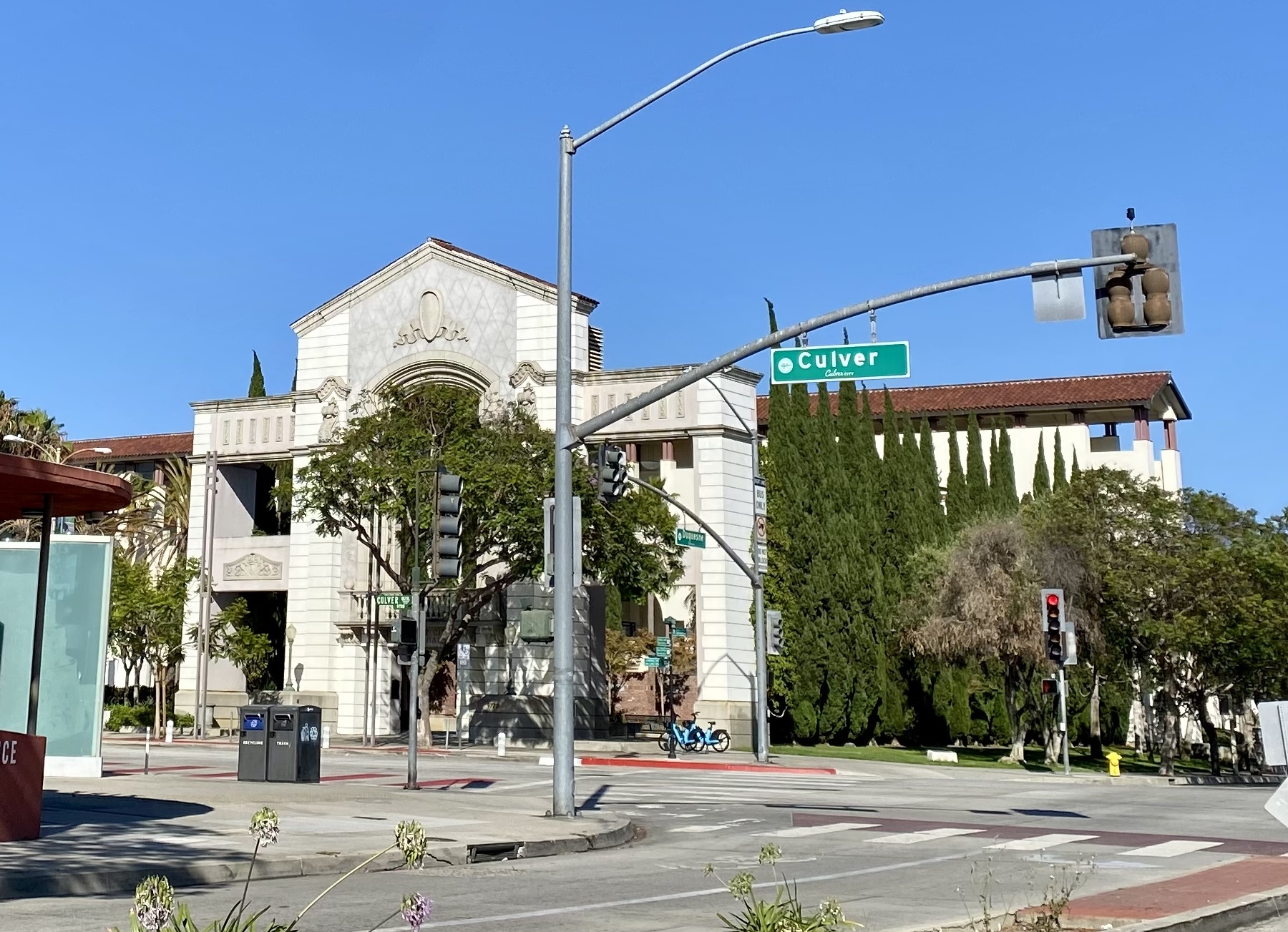
I know an owner looking at a 1970s triplex in Culver City. A friend of theirs owns one almost exactly like it nearby. They were telling my client that the rent rate increase was going to be “like 1.9% max!” But, when we looked into it, our team found that the triplex was capped at 3.25%. These two properties are less than 10 minutes apart. But, why the difference? One of them sits inside an unincorporated Los Angeles County area. Those areas, like Ladera Heights, can have rent increases capped as low as 1.93%.
Culver City sits in the middle of several rulebooks. Ten minutes in most directions puts you somewhere else. Drive west and you could easily find yourself in Santa Monica. In fact, while your mailing address may still say Culver City, you may actually be in Del Rey, Mar Vista, or Palms. This is always confusing for anyone unfamiliar with the nuances of the local zip codes and boundaries. In the 90's, Culver City attempted to get a unified zip code for the city, but was unsuccessful.
The Statewide Cap Under AB 1482
As a frame of reference, all of California falls under the Tenant Protection Act. The shorthand name is AB 1482. It allows 5% plus local inflation each year, up to 10%. In the LA area, that comes to 8.7% for increases taking effect between August 1, 2026, and July 31, 2027. Buildings less than 15 years old aren't covered. Also, most single-family homes and condos owned by individuals are exempt with a caveat. The lease must include a written notice about it. A quick reminder to area owners with older leases: confirm that the notice is included.
Where Local Rent Control Takes Over
City and county rent control sits over the state cap. Also, it will take priority if there's a conflict. State law keeps local rent control away from single-family homes, condos, and newer construction. Each city picks its own cutoff date (October 1978 in the City of Los Angeles, February 1995 in Culver City). Returning to the earlier owner, he was considering that 1975 Culver City triplex that was capped at the city's 3.25%. But, instead he went with a 1997 triplex practically next door. He just really wanted the state's 8.7% maximum rent increase.
How Much Can a Landlord Raise Rent in California?
Where the property is | Units generally covered | Maximum annual increase | Period |
Culver City | Parcels with two or more units, built on or before Feb. 1, 1995 | 3.25% | June 1, 2026 – June 30, 2027 |
City of Los Angeles | Rent-stabilized units built on or before Oct. 1, 1978 | 3% | July 1, 2026 – June 30, 2027 |
Ladera Heights (unincorporated L.A. County) | Fully covered units under the county ordinance | 1.919% (2.919% for qualifying small landlords) | July 1, 2026 – June 30, 2027 |
Santa Monica | Rent-controlled units | 2.6%, capped at $70 a month for higher-rent units | Starting Sept. 1, 2026 |
Beverly Hills | Most properties with two or more units | 3.6% for most units; 3.37% for older, lower-rent units | Most units: set each June (June 2026). Older, lower-rent units: updated monthly |
West Hollywood | Properties with two or more units first occupied on or before July 1, 1979 | 2.75% | Sept. 1, 2026 – Aug. 31, 2027 |
Inglewood | Most properties with two or more units (owner-occupied duplexes are exempt) | 3.7% for buildings with 5+ units; 8.7% for buildings with 4 or fewer | Updated each May (current figures published May 2026) |
Units covered only by state law | Most units more than 15 years old | 8.7% | Aug. 1, 2026 – July 31, 2027 |
On a $3,000 monthly rent, the lowest limit on the table works out to a $58 increase and the highest to $261. Each jurisdiction also resets on its own schedule. Culver City and Beverly Hills update in June while the state cap is in August. So, check the rate again before each notice. In unincorporated county areas, the 2.919% small-landlord rate applies only if you've certified with the county for that year and said so in the rent increase notice.
Sources: Beverly Hills Rent Stabilization, West Hollywood Rent Stabilization, City of Inglewood, Culver City Housing Division, Los Angeles Housing Department, L.A. County rent increase bulletin, Santa Monica Rent Control, California Attorney General.
Before Your Next Rent Increase Notice
Plenty of properties with a Culver City or Los Angeles mailing address sit outside those cities' limits. Step one? Look up the parcel's jurisdiction in the county assessor's records. From there, the building's age and type usually show whether local rent control applies. If it doesn't, AB 1482 probably does. However, there could be an exemption notice in the lease. With most caps resetting over the summer, a notice served in June for an August increase may need the new number.
Also, make sure you keep your registration current. Santa Monica blocks the annual increase until fees are paid. Culver City adds a penalty for each month a registration is late. Own in multiple cities? A tip some owners find useful is to keep a single sheet with each property's jurisdiction, coverage, and next reset date. It's just a little organization to make sure everything is okay.
The Martin Feinberg Team Property Management Group tracks all of this information for owners in Culver City and across the Westside. If you're not sure which rules apply to your property, reach out.
This article is for general information and isn't legal advice. Rent limits change every year and coverage depends on each property's details, so confirm with the relevant city or county, or with a qualified professional, before changing a tenant's rent.